

Fire & Gas Mapping: Critical Steps for Facility Safety and the BS 60080 Standard
The safety of workers and the integrity of the facility are among the top priorities at hazardous industrial facilities. For this reason, it is critically important to install safety systems capable of detecting potential hazards early and ensuring that the necessary precautions are taken. Gas and flame detection systems form one of the cornerstones of this safety infrastructure. Selecting the right equipment, determining strategic installation locations, and creating effective alarm scenarios enable a rapid and appropriate response in the event of a potential hazard. This is precisely where, Fire & Gas Mapping Studies It comes into play and becomes an indispensable resource for ensuring the safety of the facilities.
Enhance Safety and Reduce Costs with Fire & Gas Mapping
Fire & Gas Mapping study, a performance- and risk-based design approach maximizes the effectiveness of security systems. Thanks to this methodology, the number of detectors used is optimized while maintaining the specified security level. As a result, both the facility’s security is enhanced and significant savings are achieved in operating costs. A proper Fire & Gas Mapping The strategy ensures that potential hazards are accurately mapped and that appropriate measures are taken.
Why Is Fire & Gas Mapping Necessary?
In hazardous industrial facilities—particularly in sectors such as oil and gas, chemicals, and energy—the risks of fire and gas leaks are always present. Such incidents can lead to loss of life, serious injuries, production losses, and environmental damage. An effective Fire & Gas Mapping The study offers a proactive approach to minimizing these risks.
Fire & Gas Mapping Consulting and Expert Guidance
One Fire & Gas Mapping A consultant provides comprehensive guidance tailored to your facility’s specific needs. This guidance covers the following critical areas:
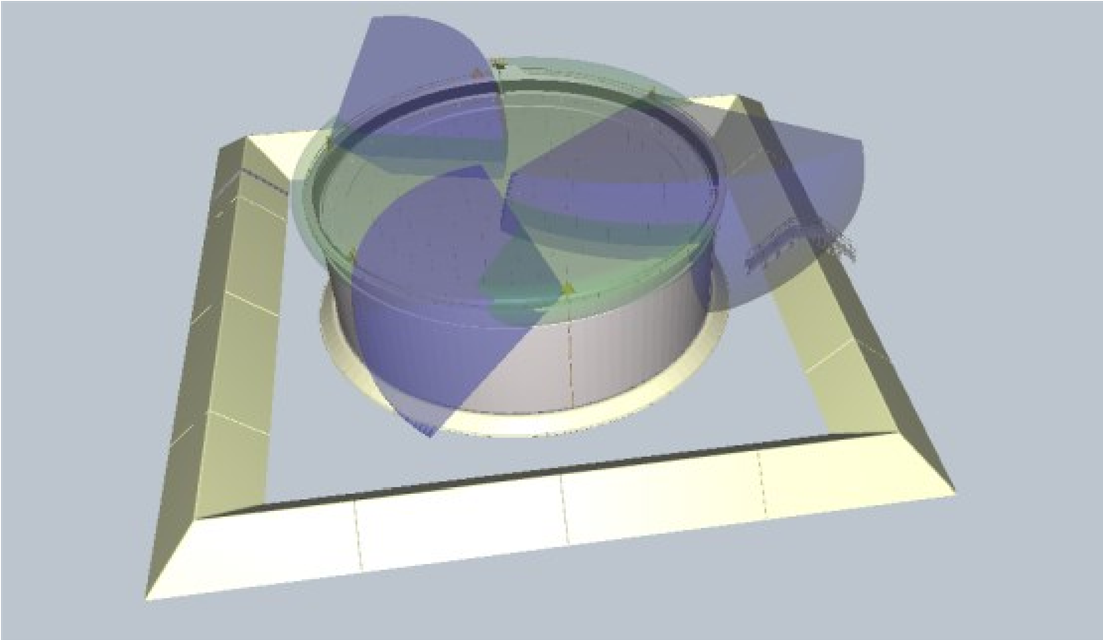
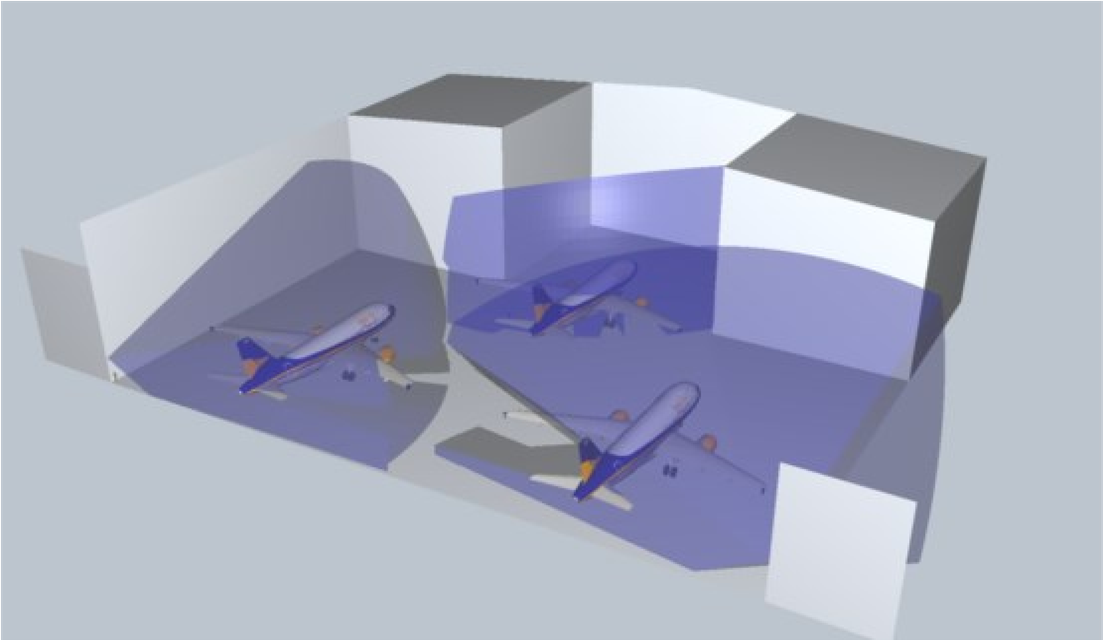
- Designing optimal placements for flame and gas detectors: Determining the most appropriate detector locations by analyzing hazard sources and propagation pathways. This ensures an effective Fire & Gas Mapping forms the foundation of the process.
- Defining performance goals: Based on the facility’s risk assessment, clearly define the expected performance level of the security system. Fire & Gas Mapping These efforts are aimed at achieving these goals.
- Recommendations for appropriate alarms, control actions, and voting systems: Identifying the alarm scenarios, control mechanisms, and decision-making processes (voting systems) that will be activated in the event of a potential hazard. Fire & Gas Mapping The reports detail the integration of these systems.
- Conducting site surveys: On-site inspection of the facility’s physical structure, equipment layout, and potential hazard areas. A proper Fire & Gas Mapping Site reconnaissance is of critical importance.
- Providing support for other emergency consulting services related to fire and gas systems: Support for the development and implementation of emergency plans for fire and gas incidents. Fire & Gas Mapping, enhances the effectiveness of emergency plans.
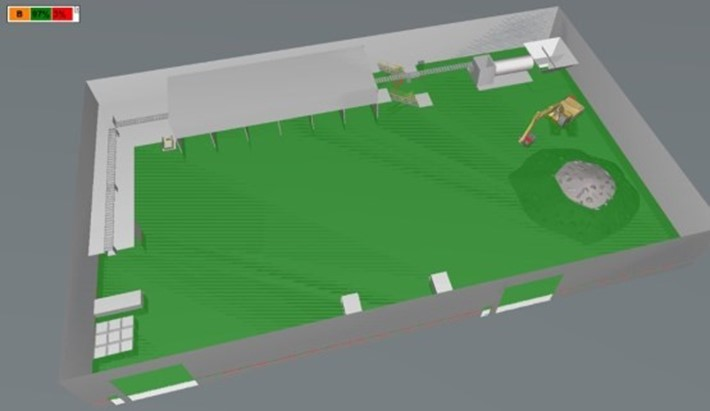
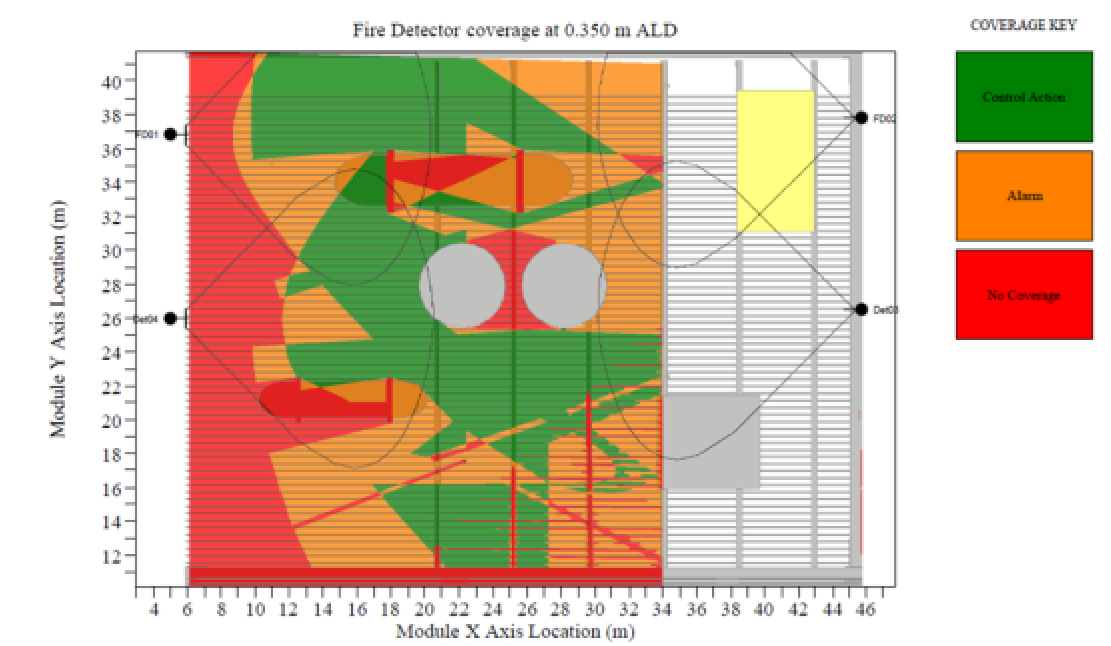
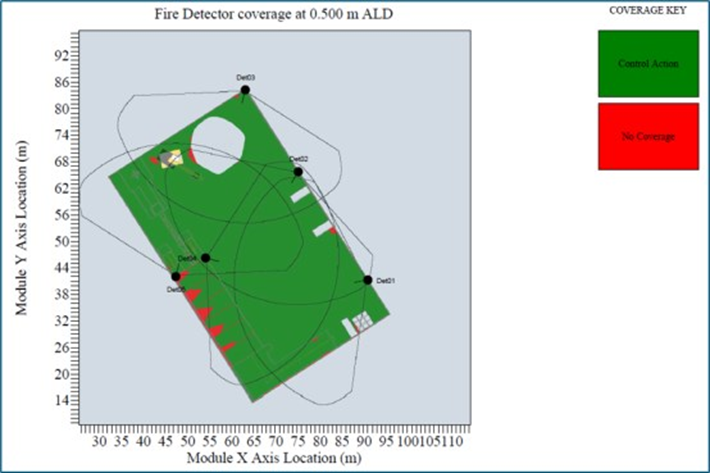
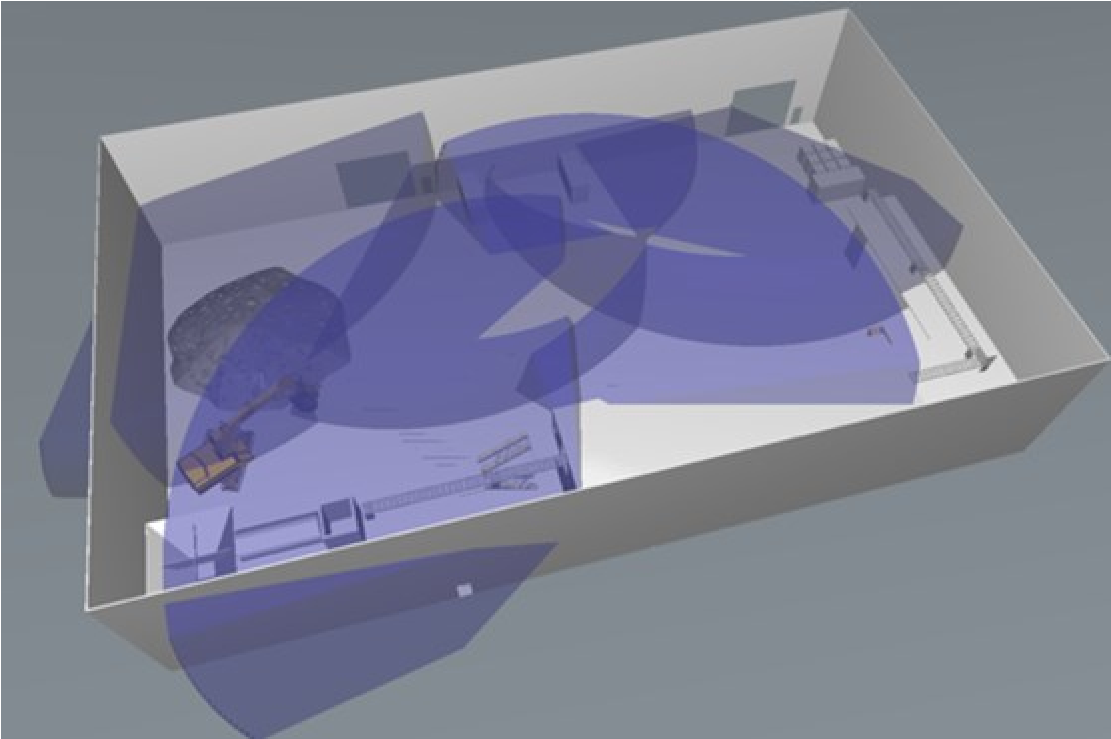
- Using the Fire & Gas Mapping software: Visualization and analysis of detector coverage using advanced simulation software. This software, Fire & Gas Mapping It is an important part of the process.
- Testing system detectors: Verification that the detectors are functioning properly after installation and that they meet the specified performance criteria. Fire & Gas Mapping Validating the system at the conclusion of the work is essential.
BS60080 Standard: The International Reference for Fire and Gas Mapping Studies
Fire & Gas Mapping The studies, which are based on an internationally recognized standard, BS60080 is carried out meticulously in accordance with this standard. This standard defines the steps and best practices that must be followed at every stage of the process. BS60080, an effective Fire & Gas Mapping provides a framework for.
BS60080 Review: A Step-by-Step Path to Security
BS60080 a procedure carried out in accordance with the standard Fire & Gas Mapping The review involves a systematic and comprehensive approach:
- Hazard Identification and Site-Specific Risk Assessment: At the very beginning of the process, potential hazards that may arise at the facility are identified in detail, and site-specific risks are comprehensively assessed. This stage provides the critical data that will form the foundation of the system design. Fire & Gas Mapping It is based on this risk assessment.
- Developing a Design Philosophy: Based on the results of the hazard and risk assessment, a design philosophy is established by taking into account the detection technologies to be used, detector alarm thresholds, the system’s overall performance requirements, and environmental conditions. This philosophy guides all mapping and design decisions. Fire & Gas Mapping Their decisions are based on this philosophy.
- Choice of Methodology: Risk-Based or Performance-Based? Consultants, at this stage risk-based or performance-based selects one of the mapping methodologies. Today, it is generally preferred because it offers the ability to address site-specific risks more precisely, performance-based approach is preferred. Fire & Gas Mapping The methodology affects the project's success.
- Detailed Field Analysis and Calculation of Coverage Rates: In accordance with the selected methodology, all details of the facility (equipment layout, potential leak points, etc.) are analyzed. Next, the area covered by the proposed detector layouts is precisely calculated, and it is verified whether the specified performance criteria are met. Fire & Gas Mapping The software is used in this analysis.
- Performance Goal Review and Reporting: At the end of the process, the consultant conducts a detailed review to determine whether the established performance targets have been met and presents the findings in a report written in technical yet simple and clear language. This report serves as an important roadmap for evaluating the facility’s current security level and for future improvement efforts. Fire & Gas Mapping The report is a critical resource for decision-making processes.
Conclusion
Fire & Gas Mapping These efforts are of critical importance in ensuring safety at hazardous industrial facilities, preventing potential accidents, and optimizing operating costs. BS60080 Conducted in accordance with this standard, these studies enable the design of the most appropriate safety solutions by taking into account the specific risks and needs of your facility. Working with an expert consultant ensures that this process is carried out correctly and effectively, thereby maximizing the safety of your facility and your employees. EMBAS Engineering Inc., Fire & Gas Mapping We help you ensure the security of your facilities by providing expert support in this area. For more information, Flame Detection Systems, Fixed Gas Detection Systems and Portable Gas Detection Systems You can visit their websites.